Get Free Consultation!
We are ready to answer right now! Sign up for a free consultation.
I consent to the processing of personal data and agree with the user agreement and privacy policy


We are online 24/7
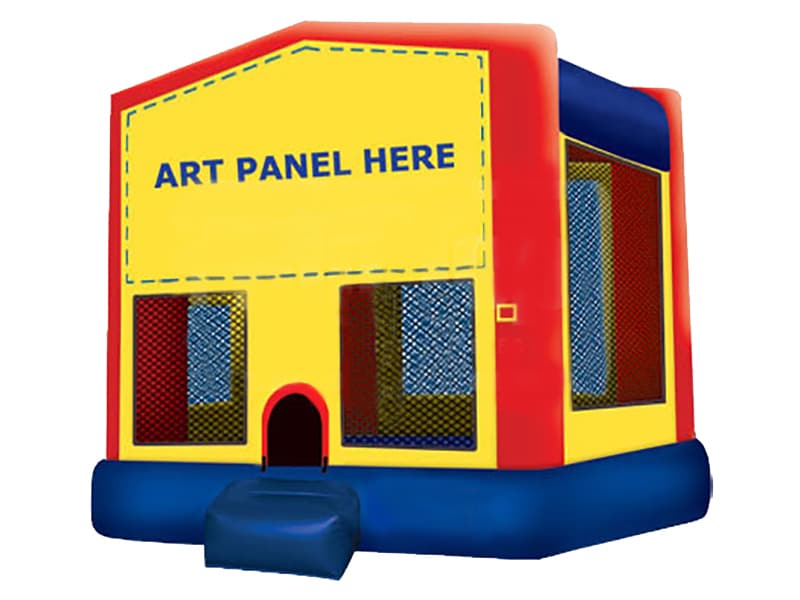
Bounce houses are a popular attraction for birthday parties, school events, family gatherings, and rental businesses. However, not all bounce houses are the same. Choosing the right one requires careful consideration to ensure safety, durability, and long-term value. Below are the key factors you should consider when selecting a bounce house.
Safety should always be the top priority. Look for bounce houses that meet recognized safety standards, such as ASTM or EN14960, depending on your market. High-quality products should include reinforced seams, secure anchor points, and proper netting to prevent falls. Clear safety instructions and weight limits are also essential, especially for commercial use.
The material used directly affects the lifespan of a bounce house. Commercial-grade bounce houses are typically made from heavy-duty PVC vinyl, often 18oz or thicker, which provides better resistance to tearing and wear. For frequent use or rental businesses, reinforced stitching and double or quadruple seams are strongly recommended.
Bounce houses come in various sizes, so it’s important to choose one that fits your available space and intended use. Consider both the physical dimensions and the maximum number of users allowed at one time. For home use, a smaller model may be sufficient, while schools, event companies, and rental operators usually need larger units with higher capacity.
Different bounce houses are designed for different age groups. Some are made specifically for younger children, while others are suitable for older kids or mixed-age groups. Make sure the design, entrance height, and interior features match the age range of your users to ensure both safety and enjoyment.
Attractive designs can significantly enhance the appeal of a bounce house. Bright colors, popular themes, and creative layouts help draw attention at events. For rental businesses, choosing versatile or neutral designs can increase booking opportunities, while themed bounce houses are ideal for birthday parties and special occasions.
A good bounce house should be easy to set up, take down, and store. Consider the weight of the unit, the size when deflated, and whether it comes with a storage bag. Quick setup and breakdown can save time and labor, especially for rental companies managing multiple events.
Ensure the bounce house is compatible with reliable, high-quality blowers. Check the required airflow and power specifications, and confirm that suitable blowers are included or readily available. Consistent airflow is critical for maintaining proper inflation and safe use.
Residential bounce houses are generally lighter and designed for occasional use, while commercial bounce houses are built for frequent operation and higher traffic. If you plan to use the bounce house regularly or rent it out, investing in a commercial-grade model will provide better long-term value and reliability.
A solid warranty reflects the manufacturer’s confidence in their product. Look for suppliers that offer clear warranty terms and responsive after-sales support. Access to repair services and replacement parts can greatly extend the life of your bounce house.
While price is an important factor, the cheapest option is not always the best. Consider the balance between cost, quality, safety, and durability. A slightly higher upfront investment often results in lower maintenance costs and better performance over time.
Selecting the right bounce house involves more than just choosing a fun design. By focusing on safety, material quality, size, and intended use, you can make a well-informed decision that meets your needs and provides lasting enjoyment. Whether for family fun or commercial rentals, a carefully chosen bounce house is a worthwhile investment.