Get Free Consultation!
We are ready to answer right now! Sign up for a free consultation.
I consent to the processing of personal data and agree with the user agreement and privacy policy


We are online 24/7
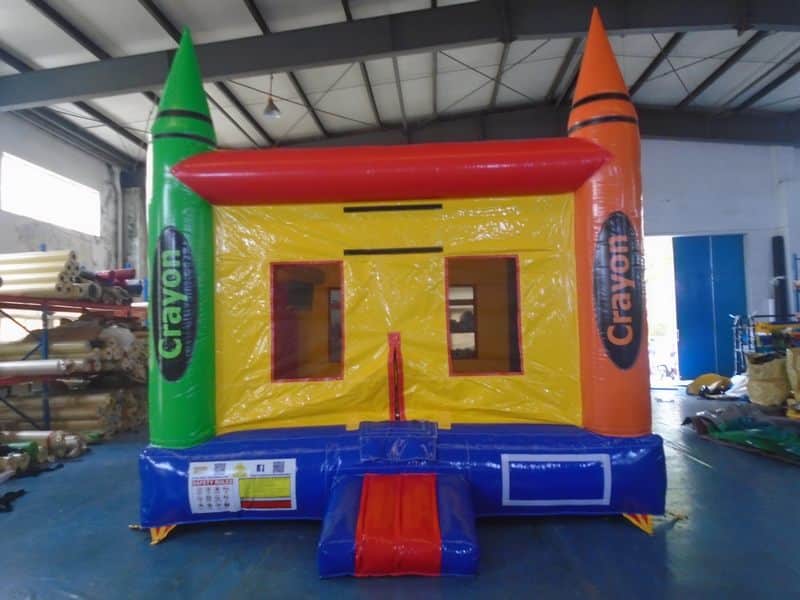
Longevity is one of the most misunderstood aspects of bounce house quality. Many buyers assume that thicker material automatically means a longer lifespan. While material choice matters, durability is the result of how stress is managed over time.
Two bounce houses can be used in identical conditions yet age very differently. The reason lies in design philosophy, construction quality, and how repeated impact is handled.
Bounce houses experience constant micro-stress during use. Each jump creates force that must be absorbed and redistributed.
Designs that spread stress across multiple panels and seams age gradually. Designs that concentrate stress in specific areas wear out quickly, even if the material itself is strong.
Seams are the most common failure point in aging bounce houses. Reinforced stitching prevents seam stretch and air leakage over time.
Weak seams may hold initially but degrade with repeated flexing, leading to gradual loss of firmness and shape.
Bounce houses designed for frequent outdoor use typically include reinforcement at ground-contact points and materials resistant to UV exposure.
Units not designed for commercial environments may deteriorate rapidly when exposed to sun, moisture, and frequent setup cycles.
Rental operators consistently report longer service life from bounce houses built with commercial use as a core design goal.
Longevity is rarely accidental. It reflects decisions made during design and production.
Manufacturers with extensive experience—such as East Inflatables—often incorporate lessons learned from long-term field use, focusing on durability beyond initial appearance.
A bounce house lasts longer not because it is thicker, but because it is engineered to manage stress, time, and real-world use.
