Get Free Consultation!
We are ready to answer right now! Sign up for a free consultation.
I consent to the processing of personal data and agree with the user agreement and privacy policy


We are online 24/7
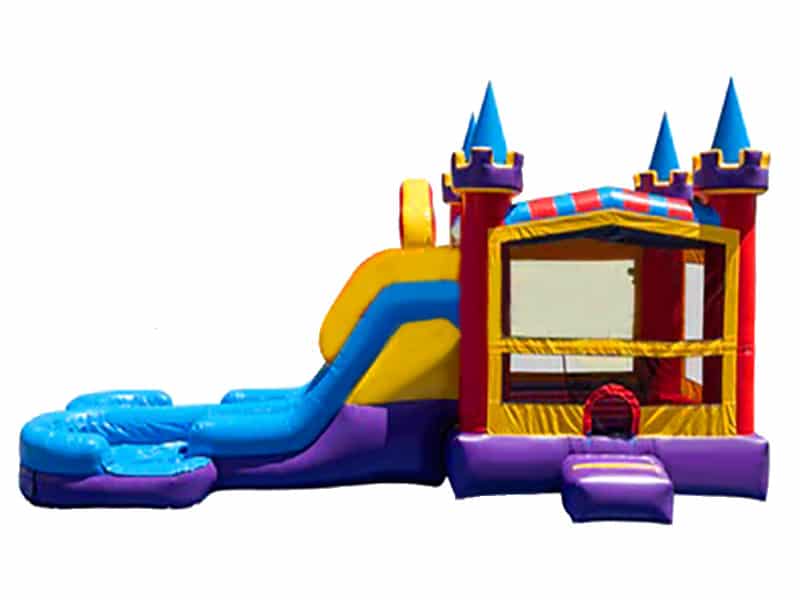
When a bounce house fails early, buyers often assume the product itself was defective. In reality, many durability issues stem from buying decisions made before the first setup.
Certain choices—while seemingly reasonable at the time—can significantly shorten a bounce house’s usable lifespan. Understanding these decisions helps buyers avoid repeating costly mistakes.
Buying a larger bounce house than necessary may seem like added value, but oversized units used in small or frequent setups experience higher stress.
Excess size increases material movement and fatigue when space, anchoring, or airflow are not optimized for it.
Lower prices often reflect reduced labor, simplified reinforcement, or limited quality control. These shortcuts may not cause immediate issues, but they significantly reduce long-term durability.
Over time, seams weaken and materials lose resilience faster.
A bounce house used occasionally has very different durability needs than one used every weekend. Buying without considering usage frequency often leads to premature wear.
Products designed for light use rarely survive sustained commercial operation.
Outdoor use exposes bounce houses to UV light, moisture, and temperature changes. Choosing a product not designed for these conditions accelerates material degradation.
This factor is often underestimated during the buying stage.
Construction quality—stitching, reinforcement, alignment—plays a major role in lifespan. Buyers who focus only on material thickness often overlook these details.
Manufacturers with extensive field experience, including EastJump, typically design products with long-term stress behavior in mind rather than short-term appearance.
Many lifespan issues originate not from defects, but from mismatches between buyer expectations and product design. Making informed decisions upfront dramatically increases long-term satisfaction.
