Get Free Consultation!
We are ready to answer right now! Sign up for a free consultation.
I consent to the processing of personal data and agree with the user agreement and privacy policy


We are online 24/7
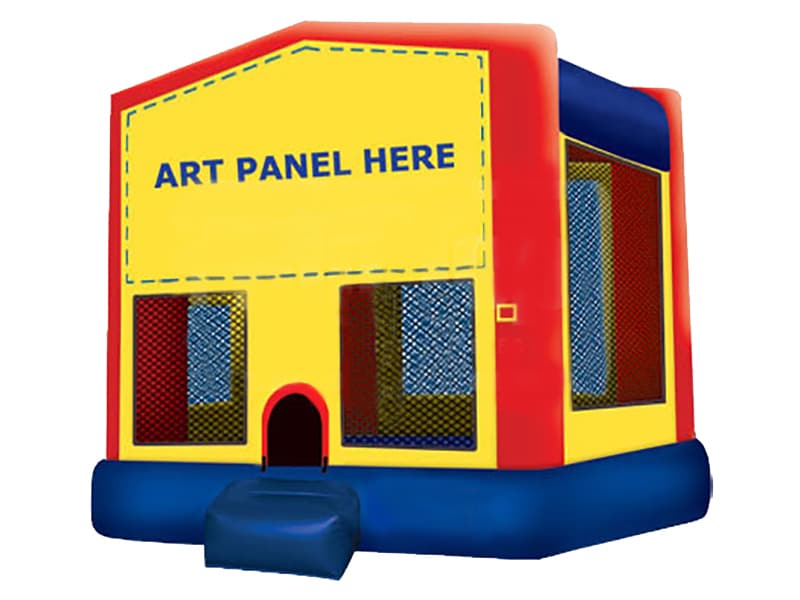
Planning a backyard birthday party or a community event in the United States almost always involves a bounce house. It is the gold standard of high-energy entertainment. However, as any seasoned parent or event planner knows, “maximum capacity” is more than just a number on a sticker—it is a critical safety boundary that protects both the children and the host.
According to the Consumer Product Safety Commission (CPSC), thousands of bounce house-related injuries occur annually across the country, often due to overcrowding or mismatched sizes. To keep your celebration stress-free and safe, here is the definitive guide to managing occupancy, understanding inflatable physics, and choosing the right equipment.
There is no universal “magic number,” but professional rental companies and high-end manufacturers generally follow guidelines based on the square footage and material strength of the unit. For a standard 13′ x 13′ commercial-grade inflatable, here is the safe breakdown:
Pro Tip: If you are using a basic residential unit (often sold at big-box retailers), the limit is significantly lower—usually only 3 children or a total weight limit of 300–400 lbs.
The most dangerous scenario in a bounce house isn’t necessarily having “too many” kids—it’s having the wrong mix of kids.
Physics works against the smaller jumper. When a 100-pound 10-year-old jumps near a 40-pound toddler, it creates a “rebound effect” (often called the “popcorn effect”). The heavier child’s impact creates a deep depression in the vinyl floor; when it snaps back, it launches the smaller child with significantly more force than their own jump could generate. This often leads to “buckle” fractures or awkward landings.
The Strategy: Always group children by size. Give the “big kids” 10 minutes, then swap them out for the “little kids.” This keeps the energy levels matched and ensures the bounce remains predictable for everyone inside.
In the U.S., wind-related bounce house accidents make national news every year. Even with the right number of children, environmental factors can override safety.
If you are hosting a party, you are considered the “Operator in Charge.” In the eyes of U.S. law and insurance companies, supervision is the host’s responsibility.
Before you open the flap, take 60 seconds to perform a “Safety Sweep”:
A bounce house is a fantastic way for kids to stay active and celebrate, but it requires a “safety first” mindset. Choosing a high-quality unit is the first step in injury prevention. American families and event planners increasingly look toward brands like EastJump because their designs prioritize structural integrity and puncture-resistant materials that meet rigorous safety expectations.
By limiting occupancy to a safe number, grouping kids by size, and maintaining strict supervision, you can ensure your party is remembered for the fun—not a trip to the emergency room.
